Clinic website design for MSK practices
Clinic website design that starts with research, not a template
Clinic Evo designs websites for UK physiotherapists, osteopaths and chiropractors. We find out what patients in your area are searching for and which clinics are taking it, then build the site around the answer, so it keeps bringing you enquiries long after launch.
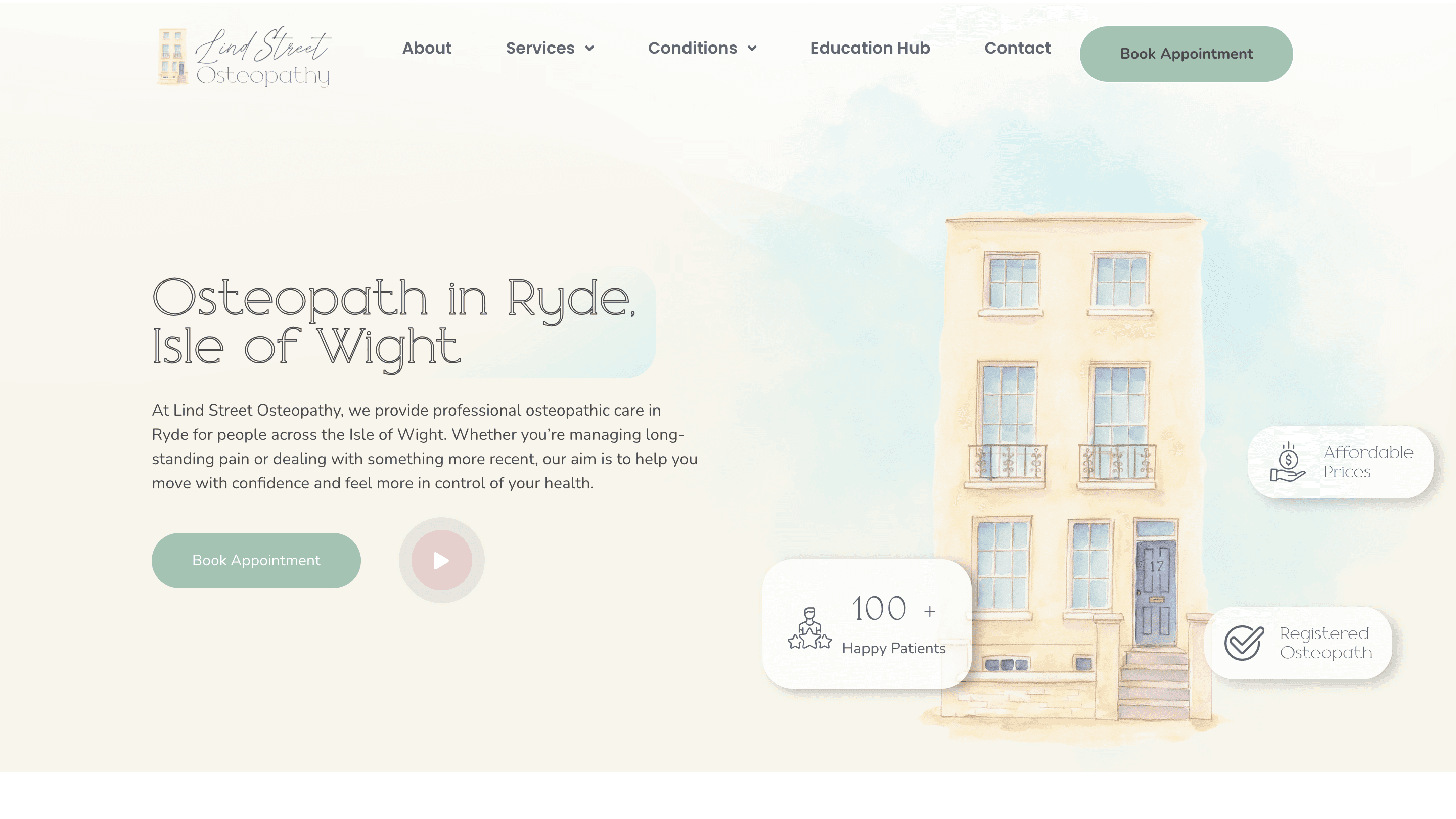
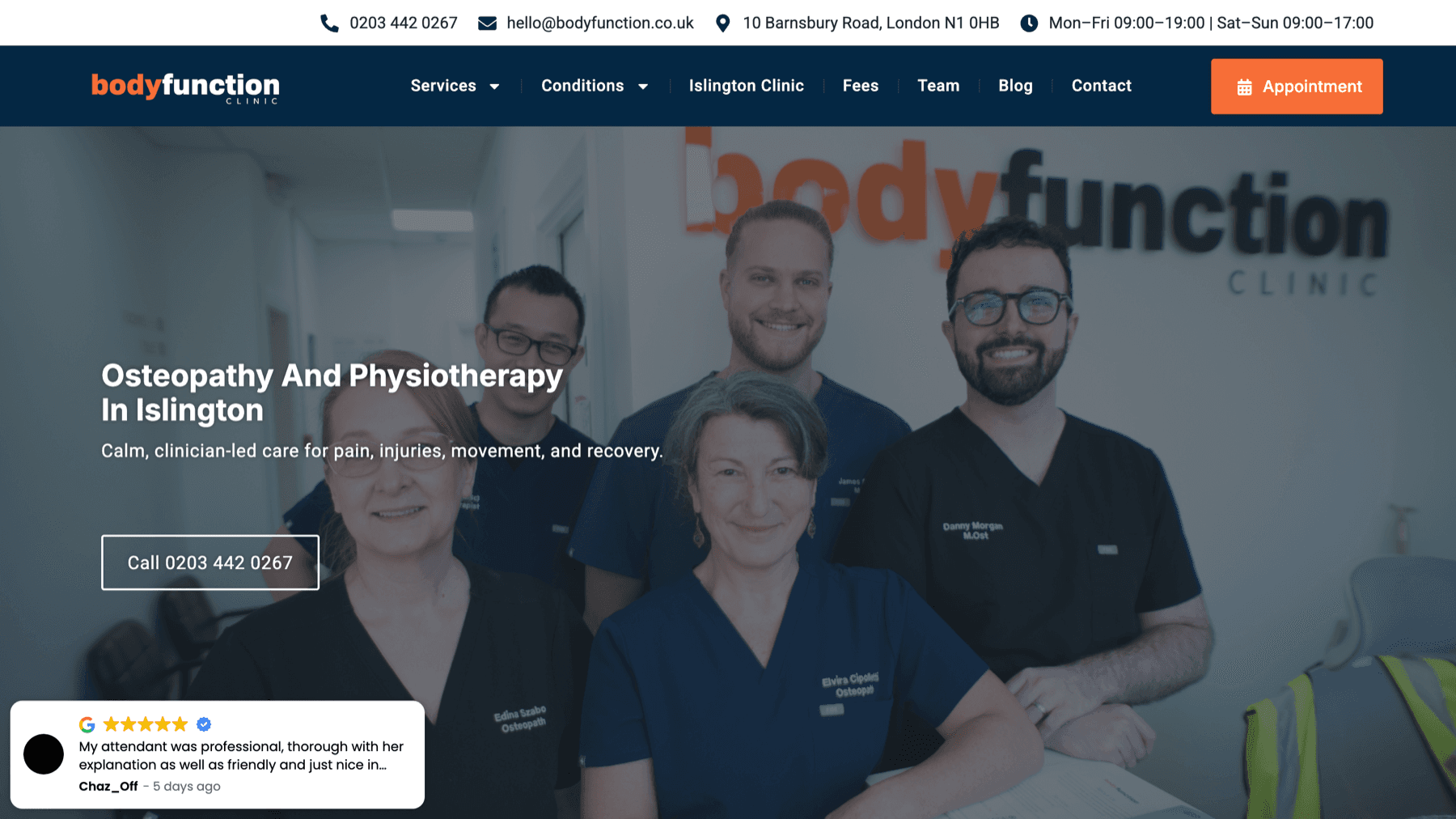
Lind Street Osteopathy, brand and site built from nothing. Bodyfunction Clinic, the London practice we grew out of.
Brands we build and grow





The real decision
You are almost never the only clinic they are looking at
A patient in pain opens three or four tabs. Yours is one of them. They are not comparing your clinical skill, because they have no way to judge it yet. They are comparing what they can see in about five seconds: whether you treat the thing that is wrong with them, whether you look like somebody who does this properly, and how quickly they can get an appointment.
That is a decision your website makes on your behalf, several times a day, whether or not it was built to. A good-looking site that does not answer those three questions loses to a plainer one that does.
What loses a patient who was already interested
Grainy or borrowed photography
Stock images of models in a studio tell a patient nothing about your clinic, and they can tell.
Navigation that hides the treatment
If somebody cannot find the page about their problem in a few seconds, they go back to the results and open the next clinic.
Branding that could belong to anyone
A template site makes you interchangeable with the other three clinics in your town.
Slow pages and awkward mobile layouts
Most patients are searching on a phone, often in pain and rarely patient about it.
A booking journey with friction in it
Every extra click, form field or dead end between deciding and booking costs you appointments.
Before we design anything
We do not build until we know what needs building
A clinic website is usually designed first and marketed afterwards, which is why so many of them end up as a brochure the owner has to send people to. We work the other way round. Before anything is designed we map the search demand in your catchment, pull apart the clinics currently holding those results, and look at what Google is already rewarding for each one.
That research is the design brief. It decides which pages exist, what each one has to answer and how somebody gets from reading it to booked. Build it that way and every page is aimed at somebody who is already looking for exactly that, which is why the enquiries compound instead of stopping when the ad budget does.
What patients type
Searches / mo
The page we built for it
Ranks now
“osteopath isle of wight”
150 searches a month150
Homepage
Now position 4
“back pain osteopath ryde”
40 searches a month40
Back pain in Ryde
Now position 1
“osteopath ryde”
30 searches a month30
Homepage
Now position 1
“women's health osteopath ryde”
20 searches a month20
Women's health and menopause
Now position 1
“neck pain osteopath ryde”
20 searches a month20
Neck pain, headaches and TMJ
Now position 1
“chronic pain osteopath ryde”
20 searches a month20
Chronic pain, fibromyalgia and hypermobility
Now position 2
“shoulder pain osteopath ryde”
10 searches a month10
Shoulder pain in Ryde
Now position 1
Lind Street Osteopathy, Ryde. Search demand and positions from Ahrefs, July 2026. The clinic opened with no website and no search history of any kind. Every page above was decided before a line of design work started.
Why this is worth doing in the right order
A site built on research earns its patients from search, and search does not stop when you stop paying. Every page you add on a term somebody is genuinely typing compounds on the last one, so the site gets more valuable the longer it runs.
Ads are still worth running, and we run them: they fill the diary while search matures. But paid traffic is rented and organic is owned, so the first fortnight goes on research and not on a homepage carousel.
How we build
Six steps, in this order, every time
The order matters more than any single step. Research before design, measurement before opinion, and improvement as a habit, so there is no rescue job two years later.
Once the foundation is right, the same research feeds ongoing SEO, Google Ads, paid social and patient reactivation. One piece of work, not four.
- 1
Understand the market
Search demand in your catchment, a teardown of the clinics currently taking it, and a look at what Google is actually rewarding for each search. Nothing gets designed until this is done.
- 2
Turn the research into a page plan
Which pages need to exist, what each one has to answer, how they link together and where the booking route sits. The site structure comes out of the research, not out of a template.
- 3
Build it properly
Fast, technically clean, genuinely responsive, and written for the patient the page was planned for. Built to the highest spec we can hit on performance and technical health.
- 4
Connect the booking journey
Your booking system integrated where it makes sense, with the friction taken out of the route from reading to booked. As much work as possible taken off the practice owner.
- 5
Install the measurement
Analytics and conversion tracking from day one, so what happens next is a matter of record. We are not going on blind faith.
- 6
Improve with the data
Real behaviour shows which pages earn enquiries and which need work. The site gets stronger over time instead of ageing quietly.
A site built from nothing
0 → page oneEvery core local search term, twelve months from launch
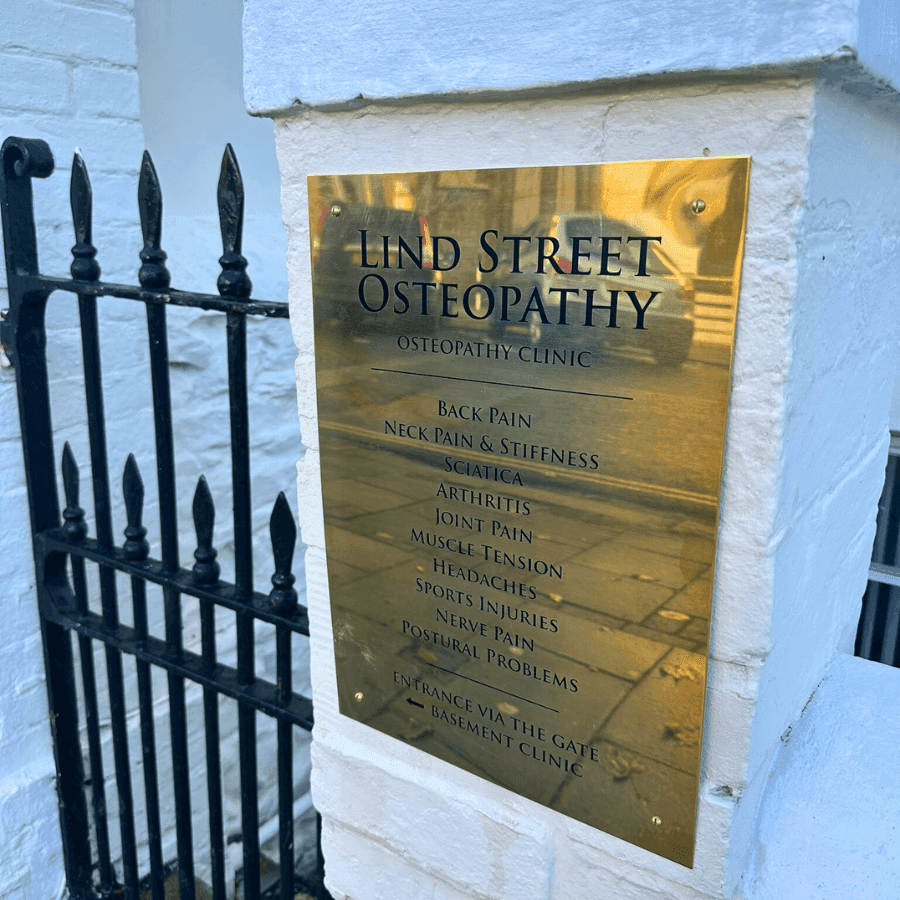
Lind Street Osteopathy launched with no logo, no website and no search history of any kind. A year on it holds position one for its own name at a 67% click-through rate, and page one across its whole catchment.
Google Search Console, lindstreetosteopathy.co.uk, to Jul 2026
Why healthcare people build better clinic sites
Patients search for what is wrong with them, not for your treatment list
This is the single most useful thing we know, and it changes the whole structure of a clinic website. Nobody wakes up wanting osteopathy. They wake up unable to turn their head, and they type that. A site organised around the services you sell will always lose to one organised around the problems people arrive with.
At Lind Street the condition pages outperform the general osteopathy and sports massage pages by a distance. The fibromyalgia, hypermobility and TMJ pages are doing the heavy lifting. That is not a design opinion, it is what the data showed once the pages were live.
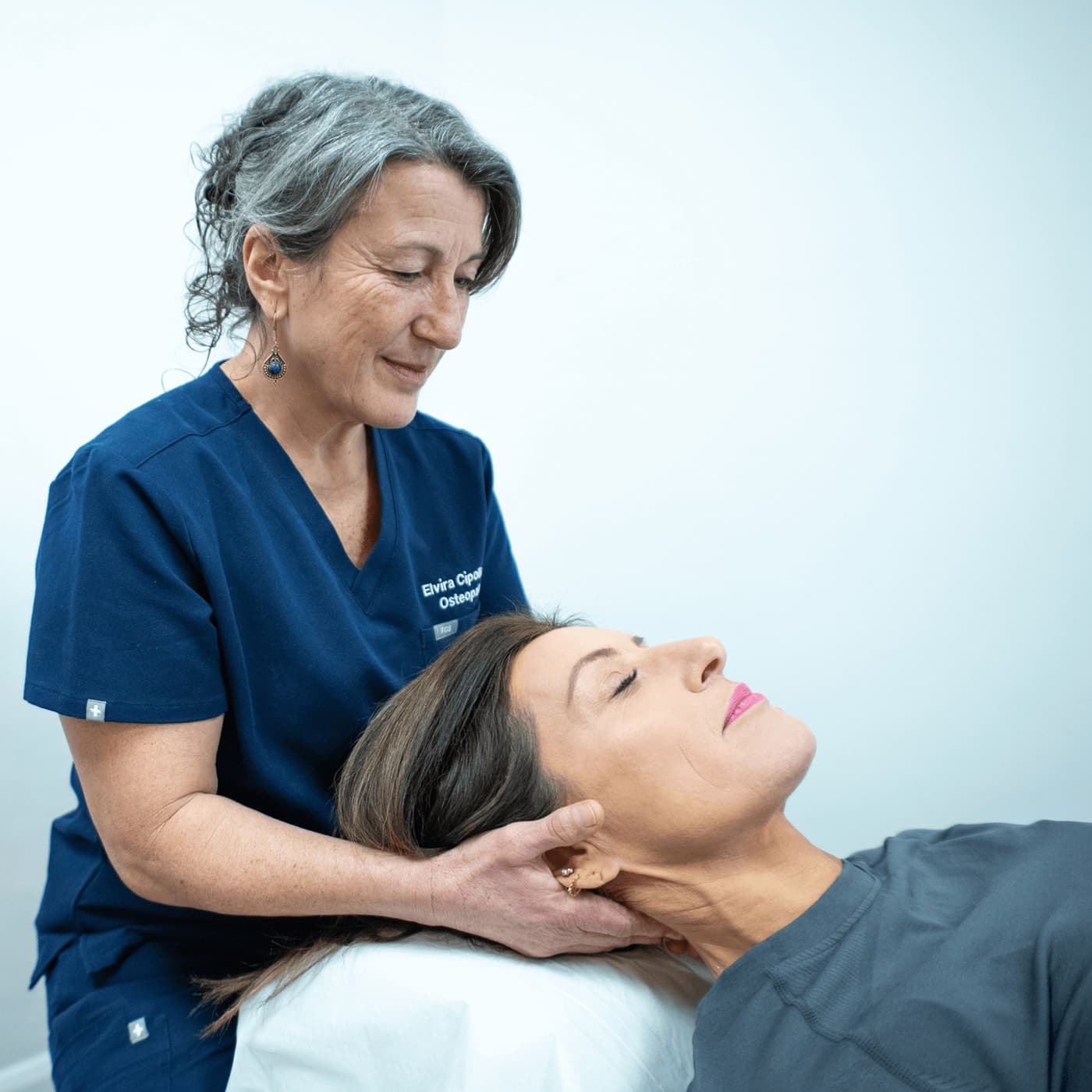
We know it because this business was built inside a working clinic, and because we have sat on both sides of it: running the practice and building the thing that fills it. It shapes the practitioner pages, the way treatment gets explained, what goes above the fold, and which questions a page has to answer before somebody will book.
Scope
What we can build or improve for your clinic
Depending on where you are starting from, this is either a new website or a stronger version of the one you have.
New clinic websites
A complete website for a new or growing clinic, including homepage, service pages, practitioner pages, contact page and booking journey.
Website redesigns
A clearer, stronger version of your current website, built around better structure, messaging, SEO and conversion.
Service and condition pages
Pages built from the research, so patients find the thing that is wrong with them and Google understands your clinical relevance.
Booking journey improvements
Cleaner calls to action, stronger contact flows and better integration with booking tools where appropriate.
Local search foundations
Metadata, headings, internal links, schema and location signals built into the site structure from the start rather than bolted on later.
Ongoing optimisation
Support after launch to improve content, track visibility and strengthen the pages most likely to generate enquiries.
Who we help
Website design for physios, osteopaths and chiropractors
Every discipline is searched for differently, so every one gets its own research.


Where this came from
Both halves of this job, under one roof
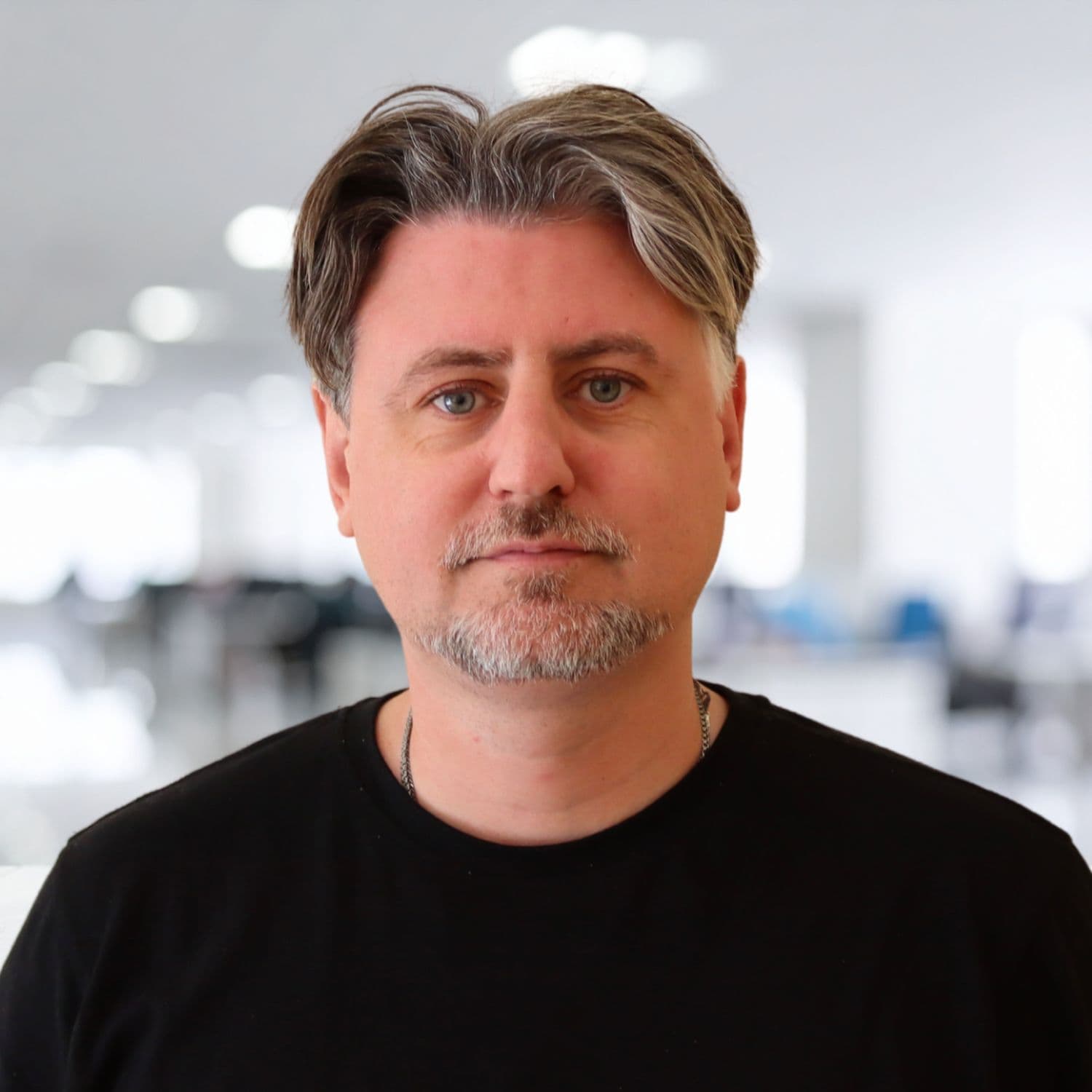
Clinic Evo has two founders and they cover the two sides of the problem. Danny Morgan is an osteopath who founded Bodyfunction Clinic in Islington and still practises there, so he knows exactly what a clinic needs in order to grow. Simon Smith trained in osteopathy on the same course and is a former registered osteopath, then founded Neometa, the web design, SEO and digital marketing agency that built Bodyfunction's website and search presence.
That is where this method came from, and why it is not the usual agency pitch. One side of the table has run the diary, taken the calls and felt a quiet week. The other has spent years getting websites found. Bodyfunction was the first clinic we did it on together, which is also why it is not a client and we would rather say so plainly.
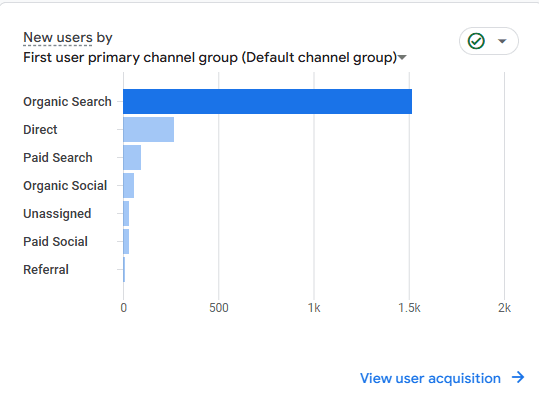
Eight people a month finding that clinic through Google became nearly four thousand. Everything on this page is the method that got it there, written down so other clinic owners do not have to work it out the hard way.
Read the Bodyfunction Clinic case studyGoogle reviews
What clinic owners say on Google
I couldn’t recommend Clinic Evolution highly enough. They created my website, helped with SEO, and have also given me so much useful advice and guidance when it comes to growing and developing my business.
The website turned out exactly how I wanted it to and feels really professional and reflective of my clinic. The SEO support has also been incredibly helpful, and everything has always been explained clearly so I actually understand what’s being done and why.
What I’ve appreciated most is the level of support beyond just building the website. The business advice and guidance has been genuinely invaluable, especially as a relatively new clinic owner, and I’ve always felt that Clinic Evolution genuinely cares about helping my business do well.
They’re knowledgeable, approachable, reliable and always happy to help. I’m really grateful for all of the support I’ve received and would absolutely recommend Clinic Evolution to anyone looking for help with their website, SEO or growing their clinic.
Review from Google
2 Google reviews, every one of them five stars.
Brilliant team with fantastic knowledge, have massively helped my clinic to grow!
Review from Google
FAQ
Clinic website design FAQs
Clinic website design needs to account for patient trust, clinical services, location searches, booking behaviour, practitioner credibility and healthcare-related decision making. A clinic website should not just look good. It should help patients understand their options and feel confident enough to book.
From research, before any design work starts. We look at what patients in your area actually search for, how much of that demand exists, which competitors currently hold those results and what Google is already rewarding for each one. That produces a page plan. Every page on the site exists because somebody is searching for it, so the site keeps earning enquiries long after launch.
Yes. Clinic Evo designs websites for UK physiotherapy clinics, including service pages, practitioner profiles, booking journeys, local SEO structure and content designed to support patient acquisition.
Yes. Clinic Evo supports osteopaths with website design, SEO structure, service pages and patient-facing copy that explains osteopathic care clearly and builds trust with new patients.
Yes. Clinic Evo creates chiropractic clinic websites that support SEO, service clarity, practitioner credibility and patient enquiry generation.
It depends on the quality of the current website. Some clinics need a full redesign, while others need better service pages, improved SEO, clearer calls to action, faster performance or a stronger booking journey. The free clinic audit is designed to identify the most practical next step.
Take the first step
Start with a free clinic website audit
We will show you what your site is already ranking for, what your local competitors are taking that you are not, and what a patient hits when they try to book with you.